Procurement guideA useful peptide wholesale enquiry identifies the material name, salt form or modification, required quantity and intended business use. A CAS number helps distinguish similar names but should be checked against the actual product description.…
Read guide ↗Procurement guideMinimum order quantity depends on the material, manufacturing scope, container, packaging and documentation requirements. A bulk raw material order and a private-label vial order have different cost structures. Ask whether the quoted MOQ refers to…
Read guide ↗Procurement guideState the material, quantity, intended evaluation and required documents. The supplier can then review sampling feasibility, packaging and delivery conditions. Sample cost and shipping are specified in the reply; a website request does not establish…
Read guide ↗Procurement guideCurrency, payment schedule, bank beneficiary, validity period and the scope of the price should be explicit. A cost list supplied during site development is not a current commercial quotation. Never use a website screenshot as…
Read guide ↗Procurement guideProduct identity, intended use and destination determine the review. The responsible exporter and importer should confirm restrictions, classification and permissions before committing to shipment. Public catalog availability is not a statement that every item may…
Read guide ↗Procurement guideA corporate brochure or a general certificate is not enough to qualify every product. Request the legal entity, supplying site, relevant scope and current documents. Product-specific manufacturing and distribution permissions must be considered for pharmaceutical…
Read guide ↗Procurement guideA certificate of analysis should identify the material and batch represented by the tests. Check the lot number, specification version, report date and the party responsible for the results. A representative sample document should be…
Read guide ↗Procurement guideChromatographic purity describes a measurement under a particular method. Material content and assay may address a different question. Water, counterions and other constituents can matter when comparing materials. Ask for the agreed methods and limits…
Read guide ↗Procurement guideA catalog name can conceal differences in salt form, sequence, modification or mixture composition. Check the CAS number together with the full product description. When a registry identifier is missing or ambiguous, ask for an…
Read guide ↗Procurement guideThe complete material description should include the agreed salt or other relevant form. Similar product names may refer to different compositions. State the required form in the enquiry and ask the supplier to identify what…
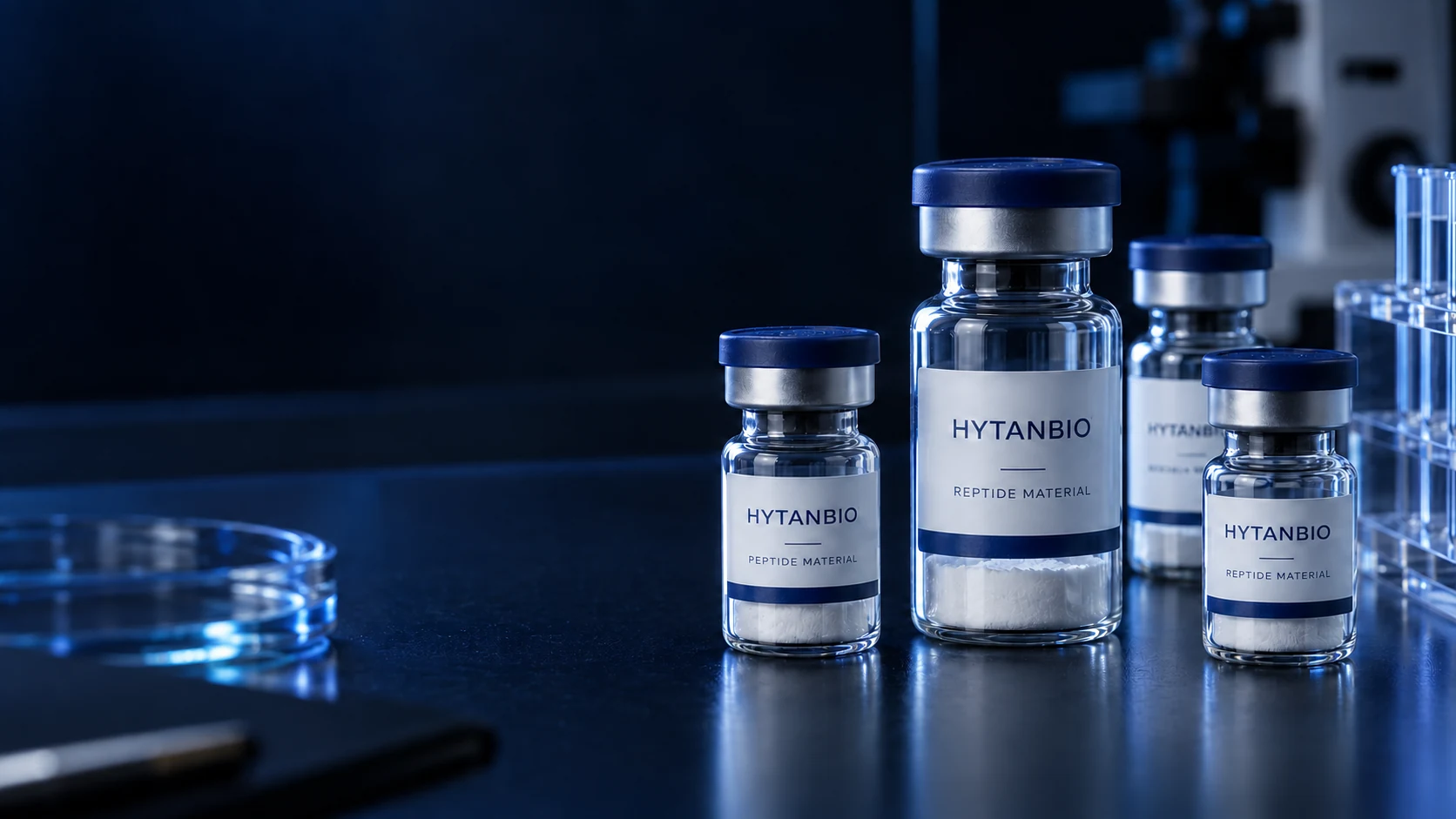
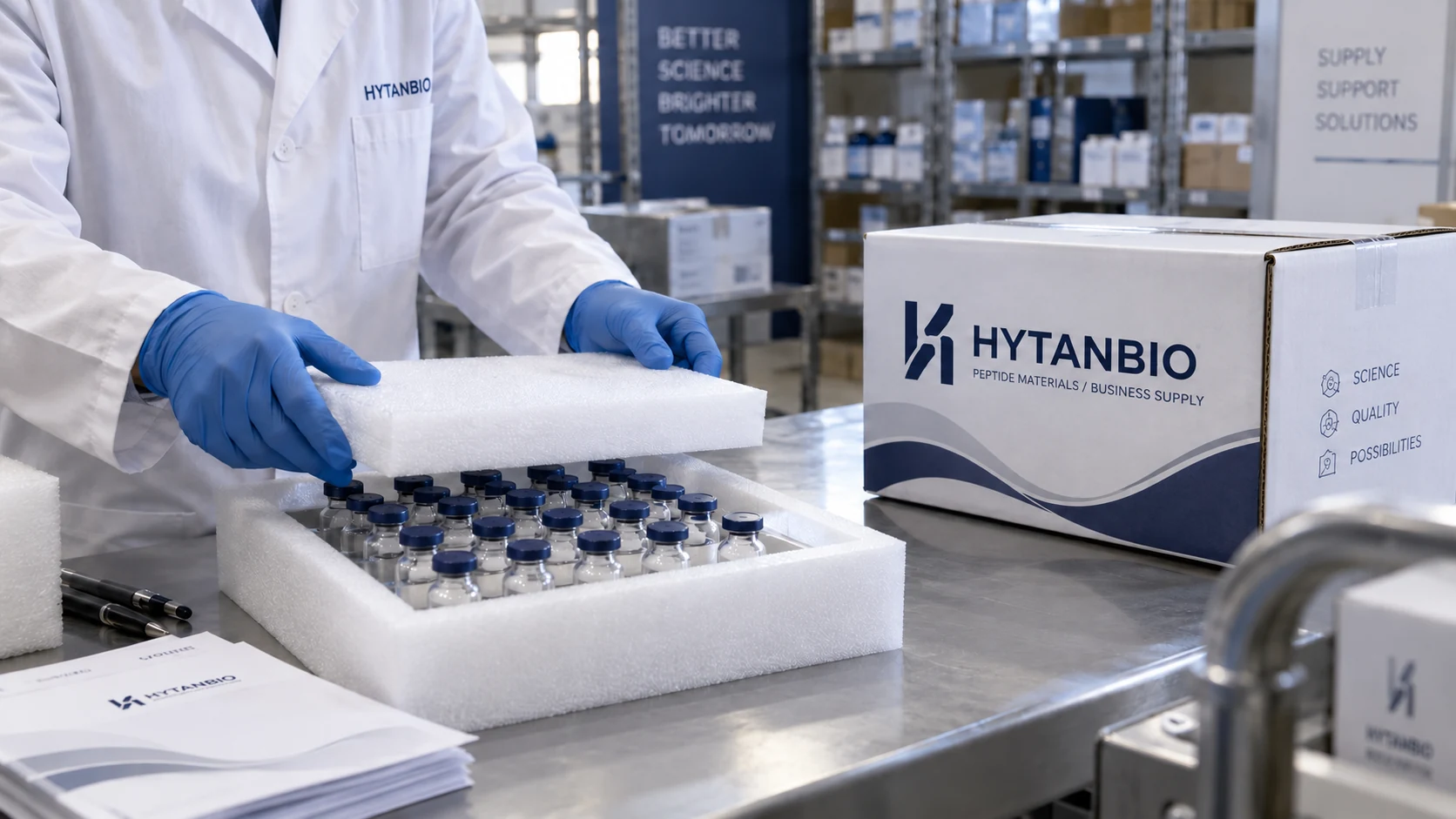
Read guide ↗Procurement guideLyophilized material can be supplied in a vial format with a nominal fill and defined packaging. The presence of a stopper and crimp cap does not establish sterility, injectable suitability or permission for human use.…
Read guide ↗Procurement guideA raw ingredient, technical material, device prototype and finished pharmaceutical product are different supply scopes. Packaging appearance does not establish which legal category applies. Define the actual intended use and market with the responsible technical…
Read guide ↗Procurement guideFor cosmetic formulation projects, identify the ingredient, composition and intended formulation context. Ask for the relevant identity, safety and supplier documents. The buyer must assess ingredient eligibility and claims for the destination market.
Read guide ↗Procurement guideA private-label project should define the brand owner, product identity, label language, mandatory information and approval process. Provide editable artwork and confirmation of brand rights. Keep document versions and written approvals together with the project…
Read guide ↗Procurement guideOEM can start from a specified product or format; ODM can include development of a solution against a buyer brief. These labels do not by themselves define testing, intellectual-property ownership or regulatory responsibility. Document the…
Read guide ↗Procurement guideTechnical coordination, process development and commercial manufacturing are distinct work packages. State the material, required deliverables, analytical scope and reporting obligations. A website service label is not a commitment to any specific regulated manufacturing or…
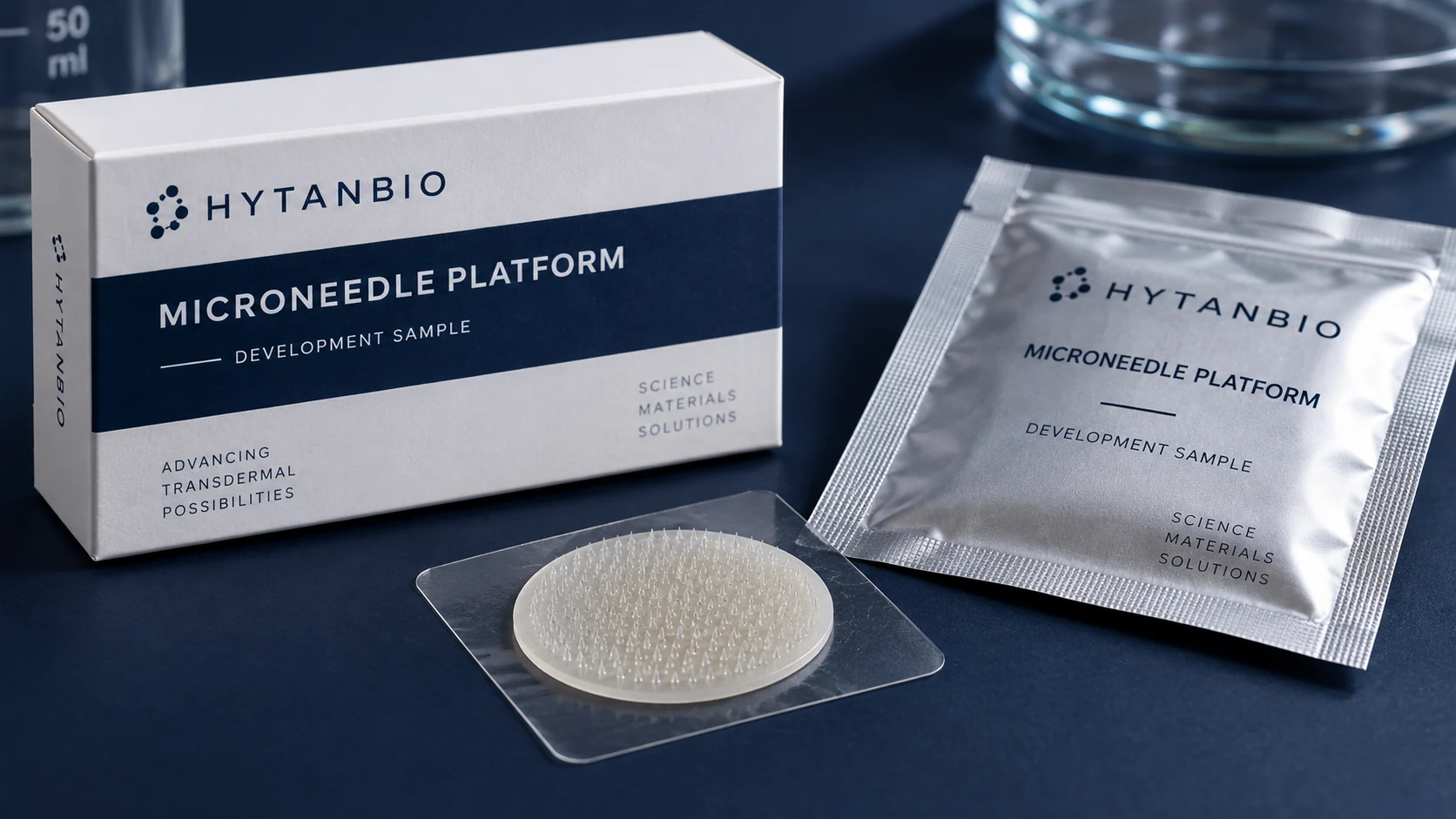
Read guide ↗Procurement guideMicroneedle prototypes require evaluation of geometry, material, packaging and the intended use. Drug-loaded projects can involve additional regulatory obligations. A packaging reference with a drug name or a weekly schedule is not evidence of an…
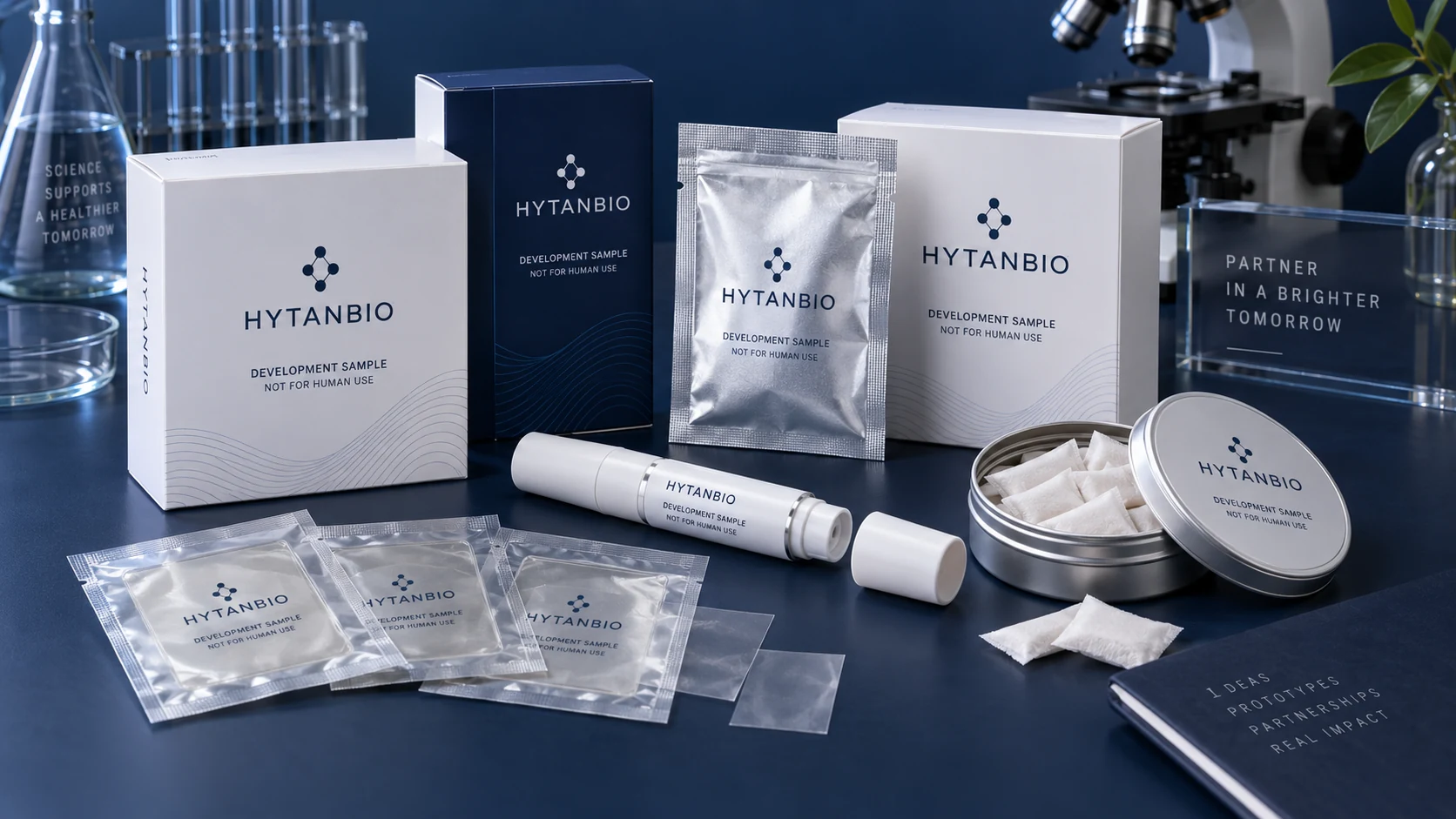
Read guide ↗Procurement guideAn oral-film brief identifies the ingredient or material, format, intended use, target market and packaging. These determine feasibility and the relevant qualification route. Prototype development is separate from permission to market an ingestible or pharmaceutical…
Read guide ↗Procurement guidePouch material, fill composition, packaging and intended business use define the development scope. The ingredient and destination determine what may be marketed and under what requirements. A branded tin is not evidence of an authorized…
Read guide ↗Procurement guideAn empty pen-device prototype can support packaging and device-selection discussions. A drug-device combination requires review of the actual drug, device, use and destination. An illustrative product picture does not establish a finished injectable product.
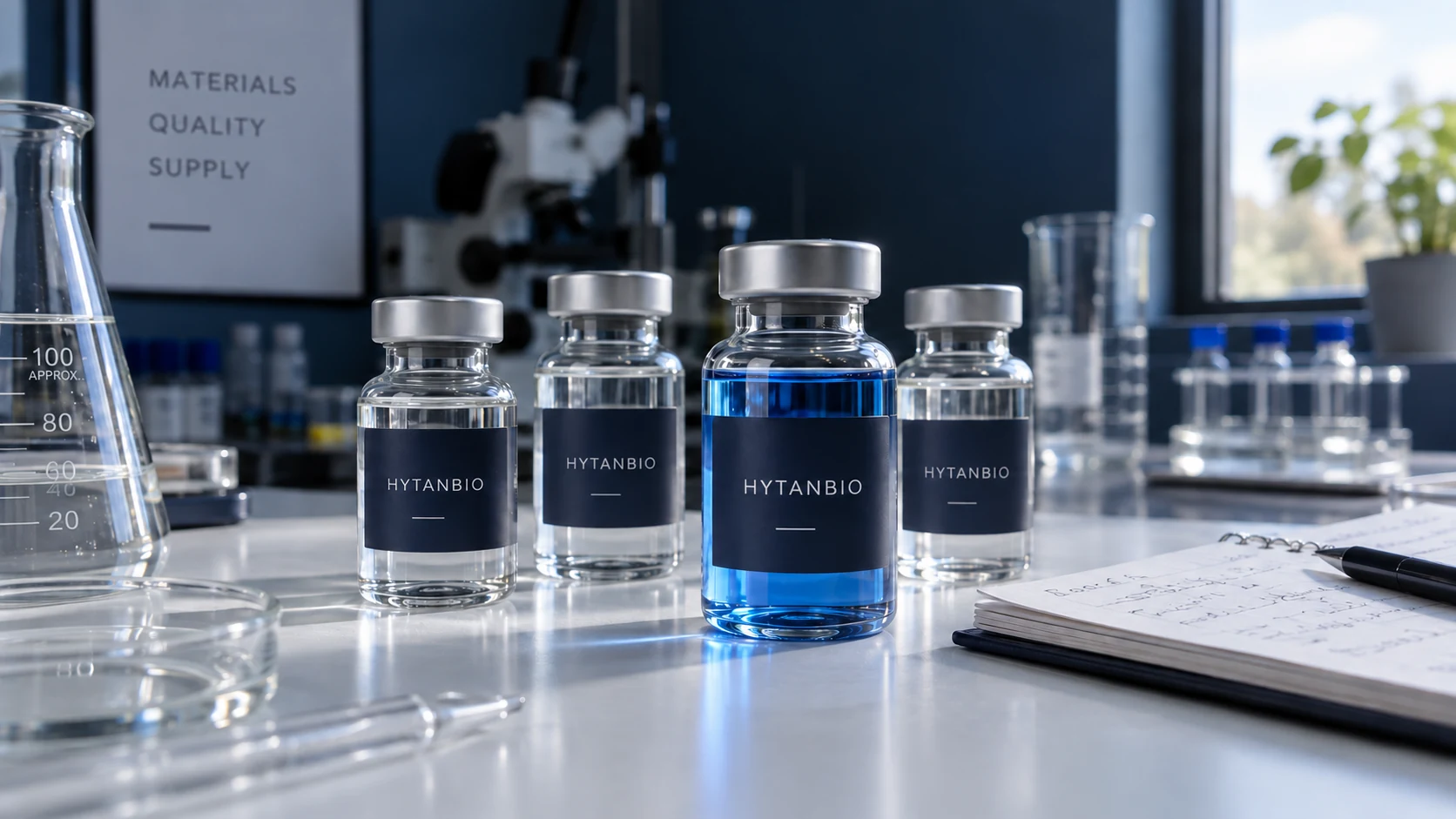
Read guide ↗Procurement guideNames such as bacteriostatic water, sterile water or acetic acid water do not by themselves define composition, microbial status, use eligibility or documentation. Ask for the exact product specification and the tested attributes relevant to…
Read guide ↗Procurement guideUse a consistent material identifier, batch number, approved specification and receipt record. The supplier documents and internal buyer records should refer to the same lot. Label artwork and packaging versions should be part of the…
Read guide ↗Procurement guideA packaging brief should identify the container, closure, contact materials and required handling conditions. The appropriate compatibility and protection requirements depend on the material and intended use. Do not assume a visually similar container provides…
Read guide ↗Procurement guideStorage and transit conditions should come from the agreed product document and batch information. A general website statement cannot define appropriate conditions for every peptide, reagent or solution. Discuss handling and temperature needs during the…
Read guide ↗Procurement guideA delivery term should be accompanied by the named place or port and the agreed version of the trade rules. It describes particular responsibilities and does not replace a full purchase agreement. Buyers should review…
Read guide ↗Procurement guideA formulation, brand, design or analytical deliverable can have different ownership and use conditions. Define background information and project-generated information in the agreement. Customer-provided reference artwork should not be copied into an unrelated brand.
Read guide ↗Procurement guideA document request identifies the material, lot if known, intended business use and destination. COA, SDS and analytical records answer different questions. State whether you need a current batch document or a specification to evaluate…
Read guide ↗Procurement guideA distributor enquiry should describe the markets served, the product scope, expected order pattern and documentation needs. Product authorization and distribution permissions vary with the item and destination. Catalog access does not establish a distribution…
Read guide ↗Procurement guideIdentity, nominal quantity, pack format, analytical scope and destination should be consistent across quotations. A claimed purity or an attractive vial image alone is an incomplete comparison. Ask what tests and documents are included and…
Read guide ↗Procurement guideRaw material, manufacturing scope, testing, pack material and artwork changes can affect a supply program. Define what the supplier must notify and what the buyer must approve before the next batch or shipment. Avoid relying…
Read guide ↗Procurement guideA business enquiry includes the company, responsible contact, intended use and destination. These help determine whether the material and scope can be supplied appropriately. Procurement information is reviewed before an order is accepted.
Read guide ↗Procurement guideProduct names, photographs, packaging text and surrounding content can imply uses even without an explicit claim. Reference images must be adapted to the actual product scope. Remove unsupported treatment claims, usage schedules and approval logos…
Read guide ↗